_edited_edited.png)
.png)
Install Shade Structures in Florida: Why Fall Is the Smart Window

Updated: Oct 9, 2025
Florida’s fall is cooler, drier, and calmer—prime conditions to plan shade that’s ready before spring heat returns. Here’s the fast path to a cooler yard by March.

If you wait until May to think about shade, you’ll be hunting sold-out sails and booked-up builders—while sweating on the phone. Florida gives you a better option: install in fall, when the weather cooperates and the calendar does too.
Why Shade Matters
Shade is not just a luxury here; it’s essential. It can be the difference between enjoying your yard and abandoning it altogether. Planning now means you’ll have a cooler patio, fewer bug interruptions, and plants that can actually establish before summer stress hits. Trees planted in fall can push roots before the heat starts pulling moisture out of them.
Why Fall Is the Smartest Time to Add Shade in Florida
Less rain, smoother installs. Florida’s wet season runs mainly June–September, then transitions toward a drier, cooler season from October into May. By late fall, rainfall drops sharply—70% of annual rain lands June–October—so crews get cleaner, quicker install windows.
Cooler temps help plants take hold. Fall planting means lower water stress and better root establishment, especially in warm zones where soils stay active.
Avoid the spring scramble. Most homeowners try to fix shade in spring. Starting in fall gets you ahead of that rush; even consumer guides point to early fall as the best time to landscape.
You’re ready before heat and bugs spike. As temperatures dip, mosquito activity tends to decline—less buzzing while you plan and test your layout. (Still protect year-round.)

Install Shade Structures in Florida: Top 3 Solutions That Actually Work
1) Shade Sails — Flexible and Fast
Why install shade structures in Florida? They span driveways, patios, and play zones without heavy framing. DIY sails typically range from roughly $30–$300 for standard sizes; add quality posts/hardware if you want permanence.
Pro tip: Angle at 20–30° for runoff; use stainless hardware; spec HDPE fabric so it breathes.
2) Pergolas with Mosquito Netting — Comfort You’ll Feel
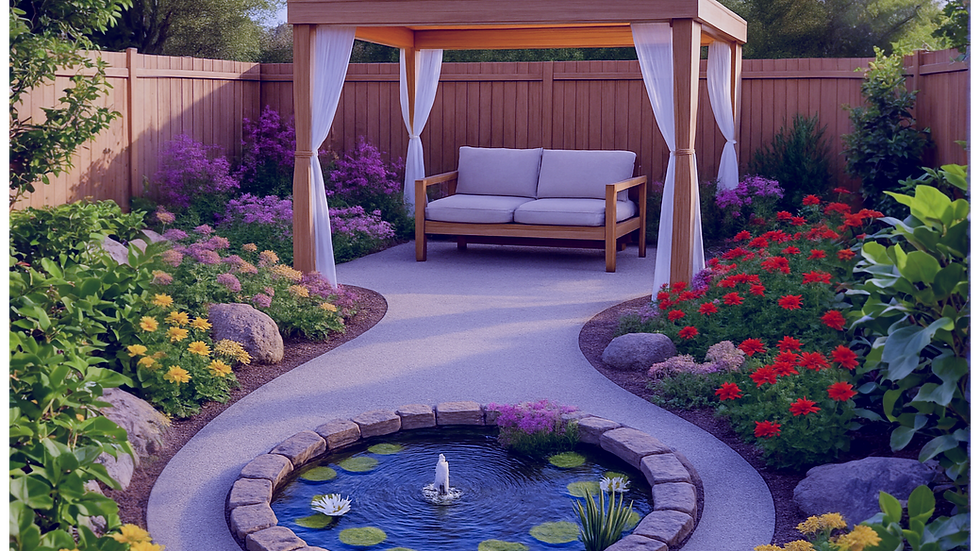
A small pergola plus netting transforms “too buggy” hours into usable evenings. Net kits are widely available and affordable as an add-on; custom curtain systems exist for odd footprints. Add a fan and a warm-white light string; you’ve got airflow and evening usability.
3) Strategic Tree Placement — Long-Term ROI
Place canopy trees on the west/southwest to block late-day sun, and align airflow corridors so breezes reach seating. Planting in fall helps roots establish ahead of summer stress.
Bonus: Why Umbrellas Don’t Cut It
They shade a tiny circle, catch wind, tip, and rarely align with the sun when you actually need coverage. You’ll keep buying them because they’re “cheap,” which is the expensive way to do shade.
DIY vs. Pro — What’s Worth Doing Yourself
DIY Kits (Often Under $1,000)
Shade sails and small, portable pergolas can be weekend projects if you’re comfortable setting posts and tensioning hardware. Expect material costs for sails themselves in the sub-$300 range, with hardware/poles extra.
Pro Installs (Labor Commonly $1,500–$3,000+)
For permanent pergolas, footers, drainage integration, and permitting/HOA paperwork, hire it out. Recent guides put pergola labor around $1,500 on average, with totals varying widely by size/materials.
Decision Tip: If you’ll use the space 3+ months a year, make it permanent. The comfort and reliability compound.

Want It Ready by Spring? Start Now
Skip the Spring Rush. Booking in fall locks design and start dates before backlogs form.
Fewer Weather Delays. Late fall generally offers drier stretches than summer’s daily storms—and hurricane season winds down by November 30. Plan, but watch forecasts.
Test Microclimates. Set up a temporary sail or pop-shade for a week. Track where you actually sit; that data informs the permanent build.
Counterpoint: “But Fall Is Still Hurricane Season”
True—peaks are in August–September, and the season officially runs June 1–November 30. Secure temporary setups, avoid large spans until storms pass, and prioritize anchored posts, quality hardware, and drainage. If a named system approaches, pause work and stow fabrics. Then resume in calmer late-season windows.
Action Plan (10-Minute Start Included)
Map Sun + Wind. Note 3–6 pm sun angles and your prevailing breeze; flag hot zones vs. airflow paths.
Pick an Approach. Decide: fast sail now, pergola by February, or both; sketch footprints and heights.
Lock Your Slot. Get on a contractor’s fall board or order the kit and hardware now.
Today (10 minutes): Walk your yard at 5 pm. Mark the brightest patches with painter’s tape. That’s your first anchor point.
Start Planning Now for a Cooler Spring
Book a $299 Cool Yard Scan and get a custom shade & airflow layout—tuned for Florida pests and weather—and an install timeline that avoids the spring crush. Call (833)732-8339 or click the button to reserve your spot.
Bibliography
Florida Climate Institute (UF/FSU). Climate and Weather Extremes: Florida has a dry cool season (Oct–May) and a summer rainy season (Jun–Sep). Florida Climate Institute
South Florida Water Management District. Managing Every Drop: ~70% of rain falls June–October; dry season typically Nov–Apr. South Florida Water Management District
NOAA/National Hurricane Center. Atlantic hurricane season runs June 1–Nov 30. National Hurricane Center
UF/IFAS Environmental Horticulture. Fall planting helps tree root establishment in warm zones. Environmental Horticulture
Angi. Early fall is often the best time to landscape (get ahead of spring). Angi
Northwest Exterminating. Mosquito activity tends to decline as temperatures dip. Northwest Exterminating
Home Depot + accessory vendors. Typical shade-sail pricing ranges; hardware costs. The Home Depot+1
Pergola Depot / HomeGuide. Labor and installed cost ranges for pergolas. Pergola Depot+1

Comments